Adaptive Compliance Frameworks Reshaping International Access Patterns in Skill-Based Wagering Applications
Written by Rosa Becker · Oct 9, 2026

Adaptive Compliance Frameworks Reshaping International Access Patterns in Skill-Based Wagering Applications
Regulatory bodies worldwide continue to refine their approaches to skill-based wagering applications, and adaptive compliance frameworks now drive many of those adjustments. These systems adjust rules in real time based on user location, transaction volume, and game classification data. Observers note that the shift began accelerating after several major jurisdictions updated their digital gaming statutes in 2024 and 2025, with further refinements reported through October 2026.
Core Elements of Adaptive Compliance Systems
Adaptive frameworks combine automated monitoring tools with jurisdiction-specific rule sets. Developers integrate geolocation APIs, identity verification modules, and dynamic content filters that activate or deactivate based on regulatory triggers. Researchers at the University of Nevada, Reno documented how these components interact in a 2025 study of cross-border platform traffic. The study recorded a 37 percent reduction in unauthorized access attempts once platforms deployed version-controlled compliance layers that updated weekly.
Platform operators now maintain separate rule engines for each licensed market. One engine might enforce stricter age verification thresholds in Canadian provinces while another applies payout caps tied to daily session limits in Australian states. Data from the National Council on Problem Gambling shows that such segmented controls correlate with lower dispute rates in skill-based titles that reward player performance rather than chance alone.
Changes in International User Access
Access patterns have shifted as frameworks respond to both regulatory updates and platform performance metrics. Users in regions with newly implemented frameworks often encounter phased onboarding sequences that verify skill-game classification before granting deposit access. Industry reports from the European Gaming and Betting Association indicate that these sequences have lengthened average registration times by 12 seconds on average, yet completion rates remain stable across tested markets.
Meanwhile, operators in Asia-Pacific territories have begun testing reciprocal compliance agreements. Under these arrangements, a platform licensed in one jurisdiction can inherit verified user status from another participating regulator, provided both systems share compatible data standards. Figures released by Singapore's Gambling Regulatory Authority in September 2026 recorded a 22 percent increase in cross-border session starts following the first pilot of such agreements.
Impact on Skill-Based Game Development
Game studios have adjusted design pipelines to accommodate the new compliance layers. Titles must now carry metadata tags that identify required skill thresholds and potential payout ranges. These tags feed directly into the adaptive engines so that content availability adjusts without manual intervention. The Gaming Standards Association published technical guidelines in early 2026 that outline recommended tag formats, and several major providers have already adopted them in live deployments.
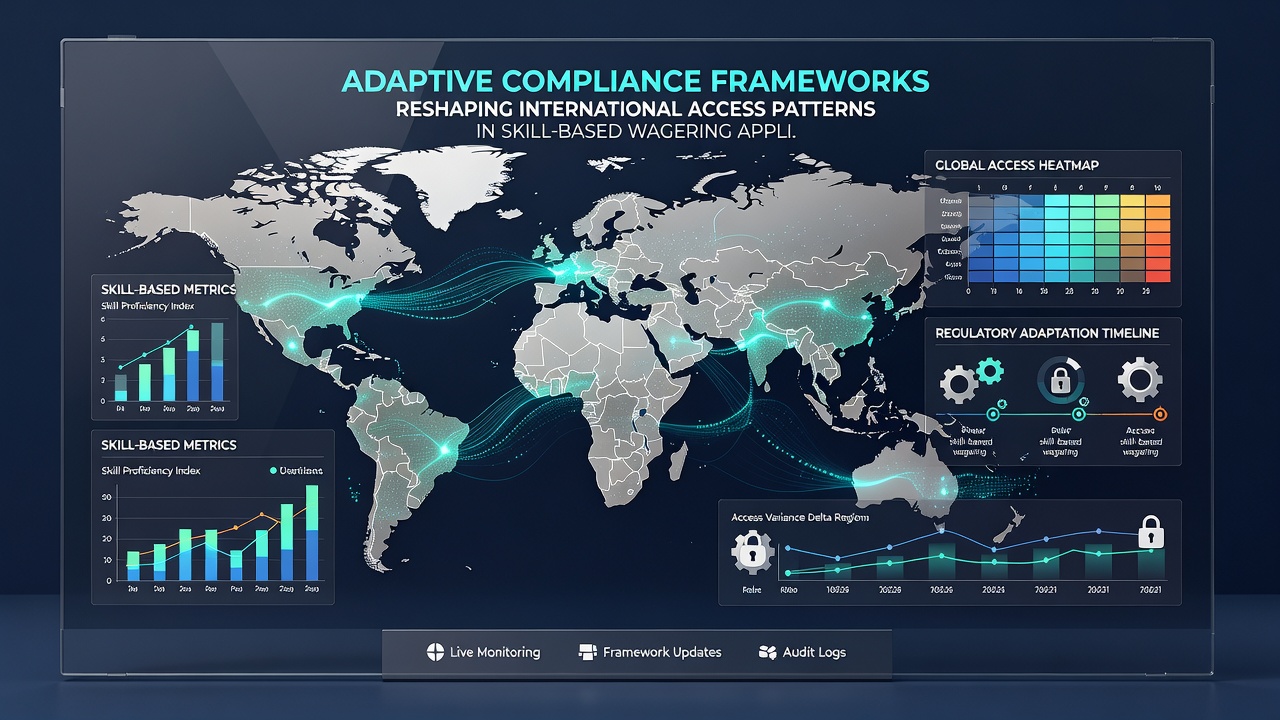
Developers report that integration testing now occurs earlier in the production cycle. One studio that released a competitive trivia platform in mid-2026 completed regulatory certification in four markets within six weeks, compared with the previous average of eleven weeks. The improvement stemmed from standardized compliance modules that plug into existing game engines rather than requiring custom code for each jurisdiction.
Regional Examples and Data Trends
In the United States, several state regulators have begun requiring real-time reporting feeds from skill-based platforms. The New Jersey Division of Gaming Enforcement implemented such a requirement in March 2026, and preliminary data shows a 15 percent drop in compliance-related service interruptions. Canadian regulators in Ontario and British Columbia have followed with similar reporting mandates scheduled for rollout before the end of 2026.
Academic teams at Monash University in Australia examined session data from 18 skill-based wagering applications between January and September 2026. Their analysis found that platforms using adaptive frameworks experienced fewer access denials at international borders because rule updates propagated automatically to edge servers. The study also noted that average daily active users from outside the primary licensing region grew by 9 percent in markets where frameworks included automated reciprocity checks.
Trade groups such as the World Lottery Association have hosted workshops focused on standardizing data exchange formats between regulators and operators. Participants reviewed case studies from South Africa and Brazil, where emerging frameworks helped platforms manage seasonal regulatory changes tied to tax policy updates without halting service.
Conclusion
Adaptive compliance frameworks continue to influence how skill-based wagering applications manage international access. The combination of automated rule engines, shared verification standards, and region-specific reporting requirements has produced measurable shifts in registration flows, session volumes, and development timelines. As regulators in additional jurisdictions adopt comparable systems through late 2026, platform operators and game studios maintain ongoing adjustments to align with evolving technical specifications and data-sharing protocols.