How Real-Time Transaction Alerts from E-Wallets Support Adherence to Personal Gaming Budgets in Virtual Roulette Environments
Written by Blake Vogel · Oct 23, 2026
How Real-Time Transaction Alerts from E-Wallets Support Adherence to Personal Gaming Budgets in Virtual Roulette Environments
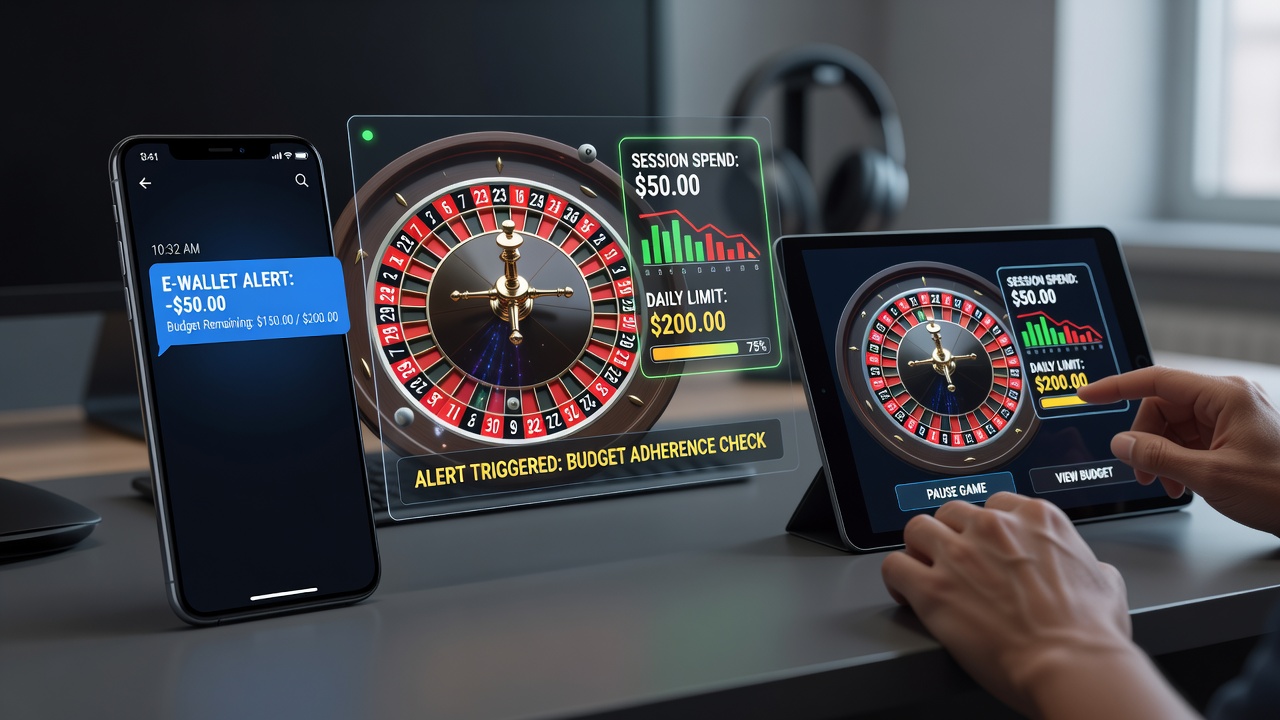
Virtual roulette platforms have integrated e-wallet systems that deliver instant notifications for every deposit and withdrawal, and these alerts connect directly to user-defined spending thresholds. Operators configure the tools so participants receive push messages or in-app banners the moment a transaction processes, which gives them immediate visibility into remaining funds. Data from industry reports shows that platforms adopting this setup record higher rates of users staying within preset limits during extended play sessions.
Mechanics of Real-Time Notifications in Digital Wallets
E-wallets such as those used across European and North American markets push transaction details to linked accounts within seconds of each bet settlement, while the roulette wheel spins or results display. The system compares the outgoing amount against a pre-set daily or session cap, and it triggers a visual or auditory cue when the threshold draws near. According to figures from the European Gaming and Betting Association, over 65 percent of regulated operators in member jurisdictions enabled these alerts by early 2026, and the adoption rate continued climbing through October of that year.
Users establish parameters inside the wallet dashboard before entering a roulette lobby, after which the software monitors every chip purchase without requiring additional input. When cumulative spends approach 80 percent of the allocated budget, a secondary alert appears that lists the exact remaining balance and offers an option to pause further deposits. This layered approach operates across mobile and desktop environments, and it functions identically whether the player selects European, American, or French roulette variants.
Integration with Platform Spending Controls
Virtual roulette environments link wallet alerts to broader responsible gaming modules supplied by the operator, so the same notification stream also updates session timers and loss-limit trackers. Research conducted by academic teams at institutions in Canada and Australia indicates that combined systems produce measurable reductions in unplanned overspending compared with platforms relying solely on manual self-exclusion tools. The alerts function in the background during rapid-fire rounds, delivering updates without interrupting the game flow or forcing players to exit the table.
Operators report that participants who activate both wallet notifications and in-game budget reminders maintain adherence rates above 70 percent over multi-hour sessions, whereas those using only one method show lower consistency. The data comes from aggregated platform analytics released in quarterly compliance filings, and it covers markets in Ontario and several Australian states where real-time reporting standards apply.
Evidence from Regulated Markets in 2026
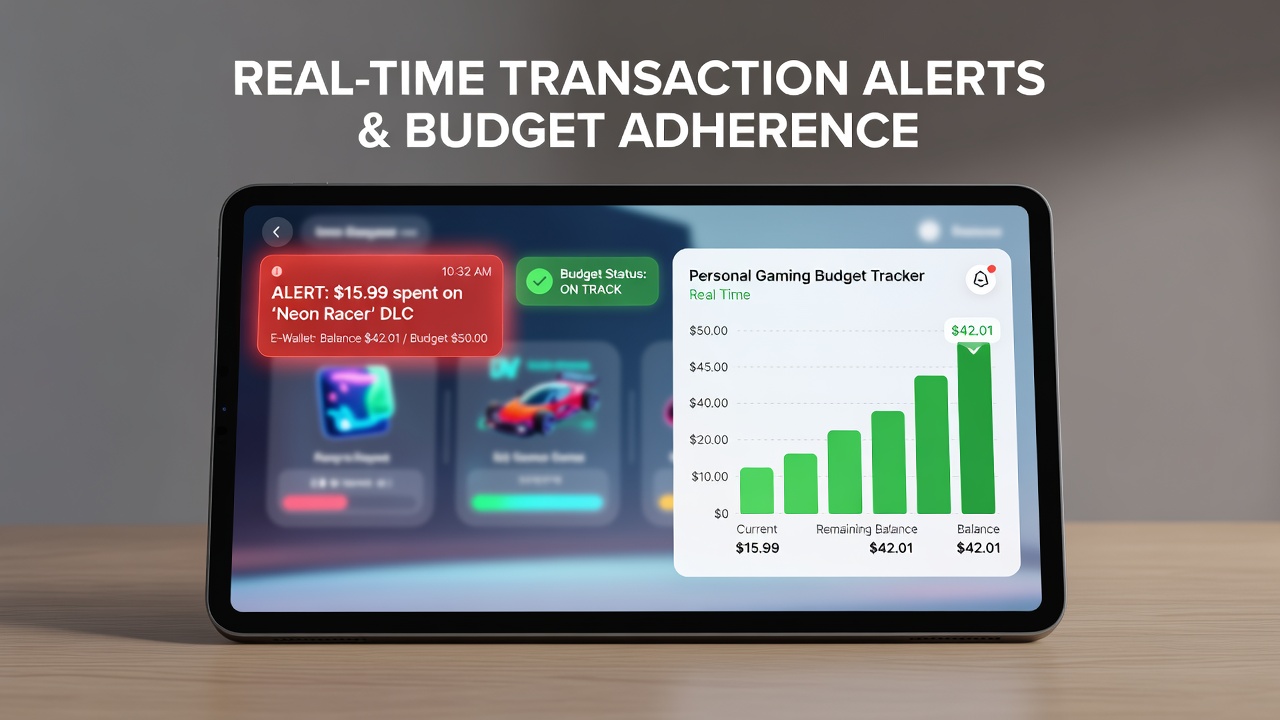
Regulatory filings submitted to bodies such as the Alcohol and Gaming Commission of Ontario and the Nevada Gaming Control Board document steady growth in e-wallet alert usage throughout 2026. In October alone, Ontario platforms recorded a 22 percent month-over-month increase in users enabling real-time spending notifications, coinciding with expanded availability of instant-deposit wallets. These reports track voluntary activation rates rather than mandated features, and they separate the data by game type to isolate roulette-specific patterns.
One longitudinal study covering six months of play data found that roulette participants who received at least three alerts per session reduced average bet sizes by 18 percent once the first warning appeared. The researchers attributed the shift to the immediate visibility of cumulative totals, which allowed players to recalibrate without waiting for end-of-session summaries. Similar patterns appeared in datasets shared by trade associations representing operators in multiple jurisdictions.
Technical Requirements and Security Considerations
Secure API connections between e-wallets and gaming servers transmit encrypted transaction payloads that include timestamp, amount, and running balance, and these packets trigger the alert generation within the user interface. Developers implement token-based authentication to prevent interception, while compliance teams audit the logs to confirm that notifications reach the intended device without delay. Platforms must demonstrate that the system continues functioning during high-traffic periods, such as major sporting events that drive increased roulette traffic.
Encryption standards align with those required by financial regulators in the regions where the wallets operate, and operators conduct periodic penetration testing to verify that budget parameters remain inaccessible to unauthorized parties. The combination of real-time monitoring and secure data handling supports both player protection goals and operational integrity across virtual environments.
Conclusion
Real-time transaction alerts embedded in e-wallets provide continuous feedback that aligns spending activity with pre-established gaming budgets during virtual roulette play. Platform data and regulatory submissions from 2026 demonstrate consistent usage growth and measurable adherence improvements where these tools operate. As integration between wallets and gaming systems expands, the same notification frameworks continue to support transparent tracking across additional game formats and markets.