Prepaid Voucher Networks Guiding Wager Pacing in Regulated International Slot Ecosystems
Written by Devon Flores · Nov 6, 2026
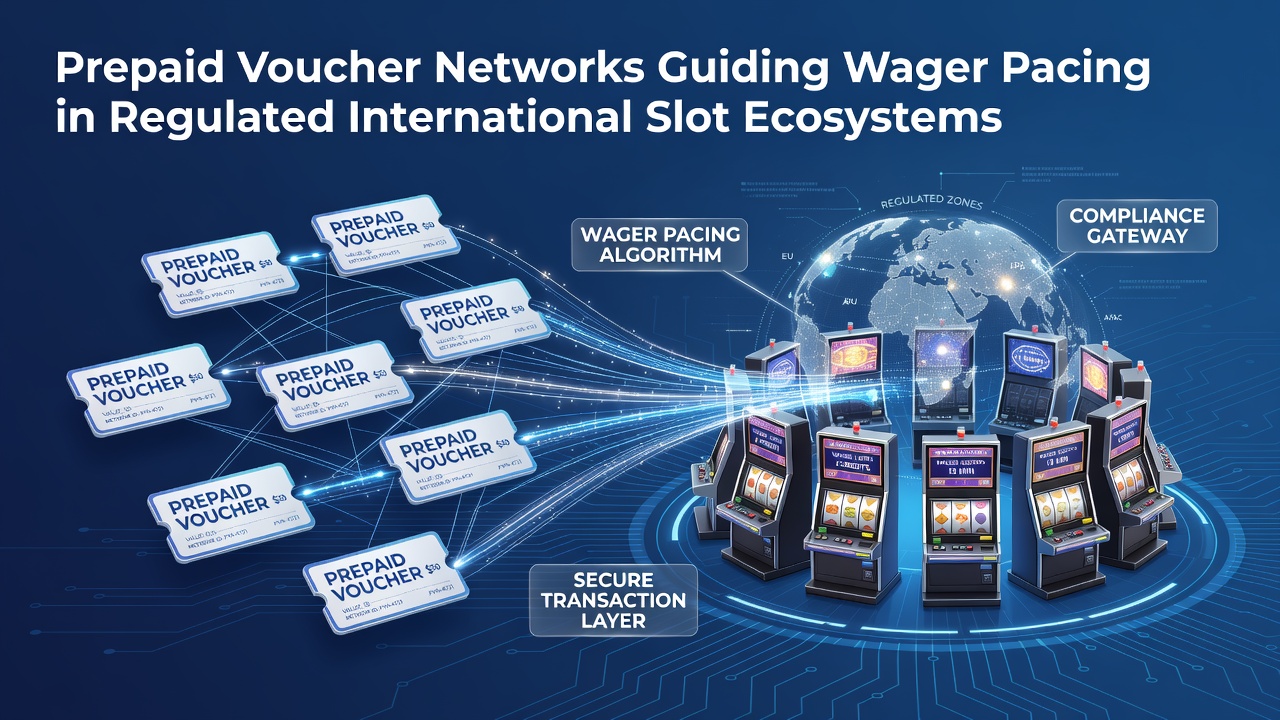
Prepaid Voucher Networks Guiding Wager Pacing in Regulated International Slot Ecosystems
Prepaid voucher networks have become central to how operators manage wager pacing across regulated slot markets in multiple countries, and these systems connect funding mechanisms directly to game interfaces so that spending occurs within predefined boundaries while players retain control over session length and bet sizes. In markets from North America to Asia-Pacific regions, the vouchers function as digital tokens that load onto slot terminals or mobile platforms, and this setup ties real-time balance tracking to regulatory requirements that limit rapid successive bets or enforce cooling periods between rounds.
How Voucher Systems Operate Within Slot Platforms
Operators deploy prepaid vouchers through centralized servers that authenticate each transaction before any wager activates on the reels, and the process begins when a user purchases a voucher at a physical kiosk, online portal, or authorized retailer then redeems it at the machine or app interface. Data flows between the voucher issuer and the slot management software show session parameters such as maximum bet amounts per spin, total spins allowed within a time window, and automatic pauses after preset loss thresholds, while the same networks update balances instantly across jurisdictions that share compliance standards.
Systems in Canada and Australia demonstrate consistent patterns where voucher networks enforce pacing rules that align with provincial or state legislation, and these rules require operators to log every voucher redemption against player accounts so that regulators can audit pacing compliance without accessing personal financial details. The architecture supports both land-based terminals and remote digital platforms, which means a single voucher can transition between physical and virtual environments when cross-border operators maintain compatible licensing.
Regulatory Integration Across Borders
International slot ecosystems rely on voucher networks to embed pacing controls that satisfy varying legal frameworks, and authorities in different regions mandate specific features such as mandatory time-outs after continuous play periods or maximum daily voucher loads. In November 2026 several licensing bodies reviewed updated technical standards that require voucher issuers to report aggregate pacing metrics to oversight agencies, allowing regulators to identify patterns that might indicate excessive velocity in betting cycles.
These reporting obligations connect directly to the technical specifications of the networks, so operators must configure slot software to pause or reduce bet options once voucher limits approach, and the same configuration prevents manual overrides that could bypass pacing safeguards. Observers note that this linkage between funding source and game mechanics creates a traceable chain from purchase to outcome, which supports enforcement without requiring constant human monitoring.
Technical Mechanisms for Pacing Control
Slot manufacturers integrate voucher APIs that communicate with backend servers to calculate remaining session value in real time, and the calculations factor in current bet size, spin frequency, and any regulatory multipliers that adjust limits based on game volatility ratings. When a player attempts a wager that would exceed the voucher pacing envelope, the interface blocks the action and displays remaining allowable parameters, while the network logs the attempt for compliance records.
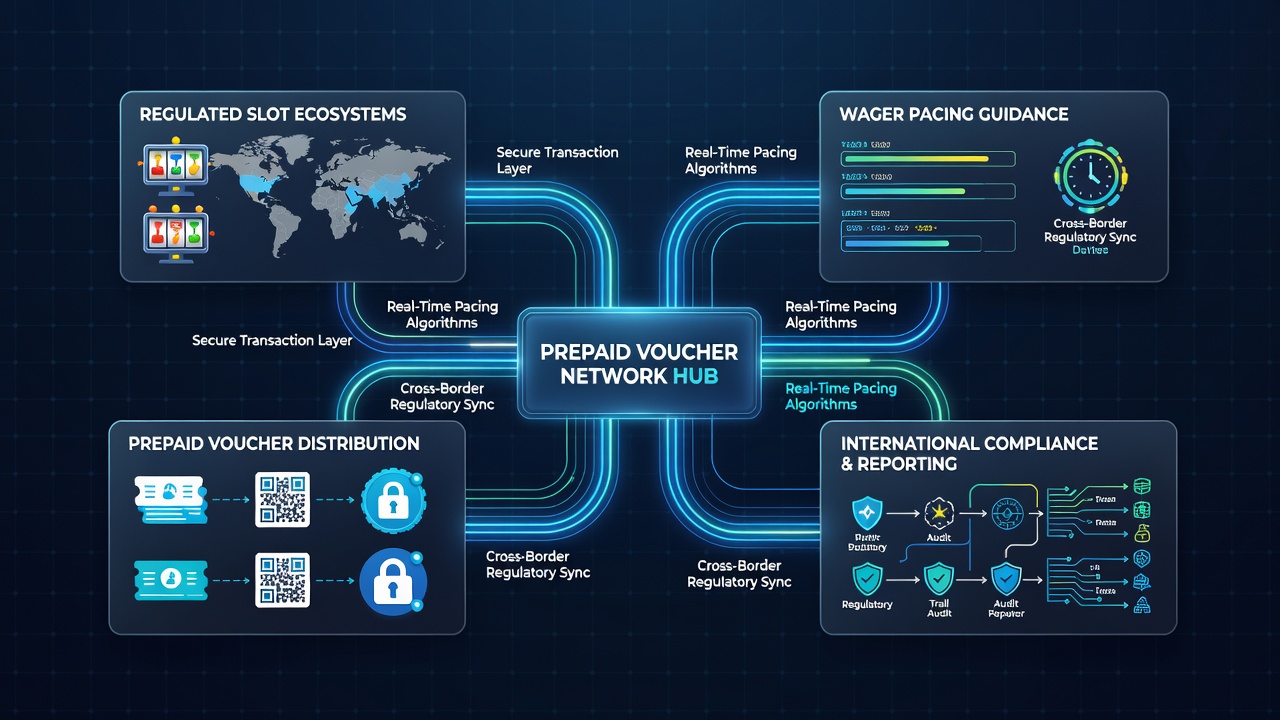
Research from academic institutions tracking digital wagering infrastructure indicates that these blocking mechanisms reduce the occurrence of extended high-velocity sessions across multi-jurisdiction platforms, and the same studies document how voucher networks synchronize with progressive jackpot systems so that contributions to shared pools respect individual pacing caps. The technical standards also accommodate variable network conditions, ensuring that offline voucher redemptions still enforce cached limits until reconnection restores full synchronization.
Implementation Examples in Global Markets
European operators licensed under frameworks similar to those administered by the Malta Gaming Authority have adopted voucher pacing modules that tie directly to national self-exclusion registries, and the modules automatically adjust wager speed when a player account carries prior restrictions. In parallel, operators in Singapore and Macau have tested voucher systems that cap session duration on high-denomination slots, with the caps calibrated against local responsible gaming guidelines that emphasize controlled engagement over extended play periods.
North American examples include deployments in jurisdictions overseen by the Nevada Gaming Control Board, where voucher networks must interface with central monitoring systems that track aggregate play velocity across casino floors. The same networks appear in Australian venues regulated under state gaming commissions, where reports show integration with harm-minimization tools that flag when voucher-funded sessions approach defined velocity thresholds.
Future Developments and Compliance Trends
Industry groups such as the European Gaming and Betting Association have published technical briefs outlining how prepaid voucher networks could incorporate predictive pacing algorithms that adjust limits based on historical session data while preserving player anonymity. These proposals align with ongoing regulatory reviews that examine whether current voucher structures adequately address cross-platform play where users move between mobile and terminal-based slots within a single licensed ecosystem.
Conclusion
Prepaid voucher networks continue to shape wager pacing by embedding regulatory parameters into the funding and redemption process itself, and the resulting architecture supports consistent compliance across international slot operations while maintaining the technical flexibility required for both land-based and digital environments. As jurisdictions refine their oversight in late 2026 and beyond, the networks provide a scalable mechanism for aligning operator practices with evolving standards that prioritize controlled session dynamics.