When Loyalty Tiers Meet Cross-Game Portability: How Reward Systems in Unified Gaming Portals Drive Session Patterns Across Providers
Written by Finley Butler · Sep 25, 2026
When Loyalty Tiers Meet Cross-Game Portability: How Reward Systems in Unified Gaming Portals Drive Session Patterns Across Providers
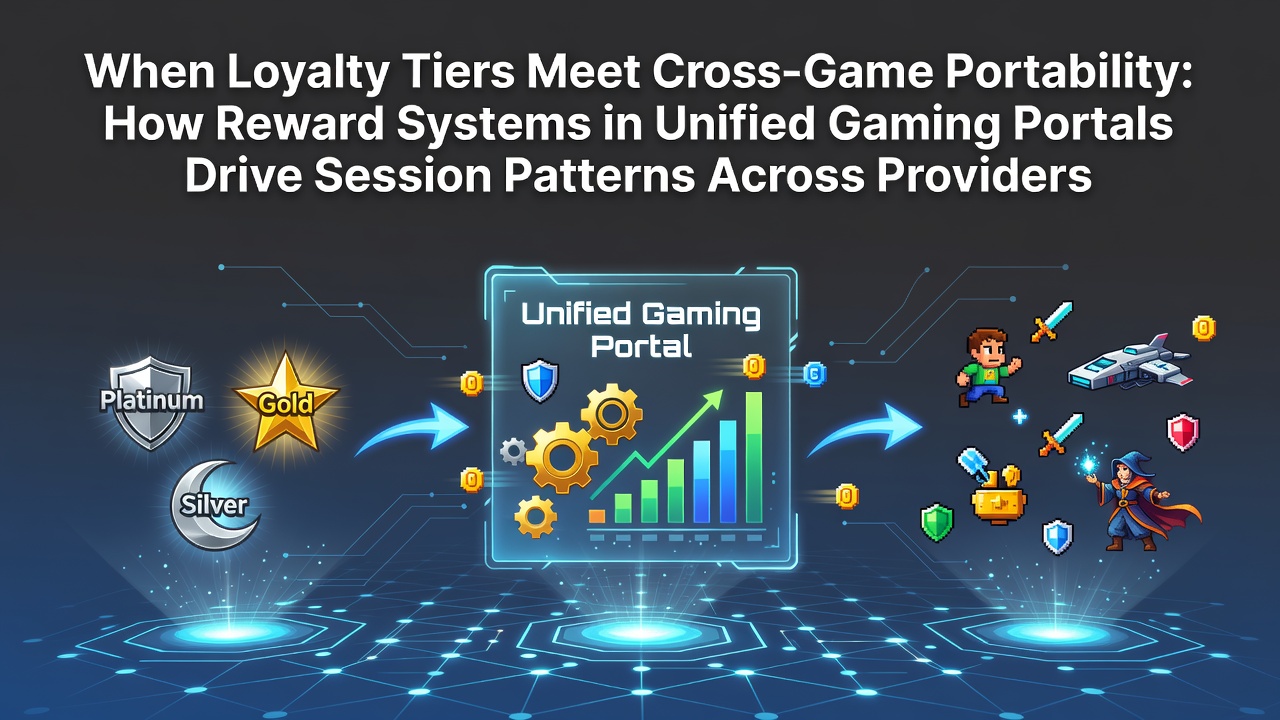
Unified gaming portals have integrated loyalty tiers with cross-game portability features that let accumulated rewards transfer between titles from separate providers, and this setup shapes how participants structure their time across multiple platforms. Data from September 2026 shows increased session lengths in environments where points earned in one slot or table game carry forward to another provider's offerings without reset, according to reports compiled by industry tracking services.
How Loyalty Tiers Function Within Portable Systems
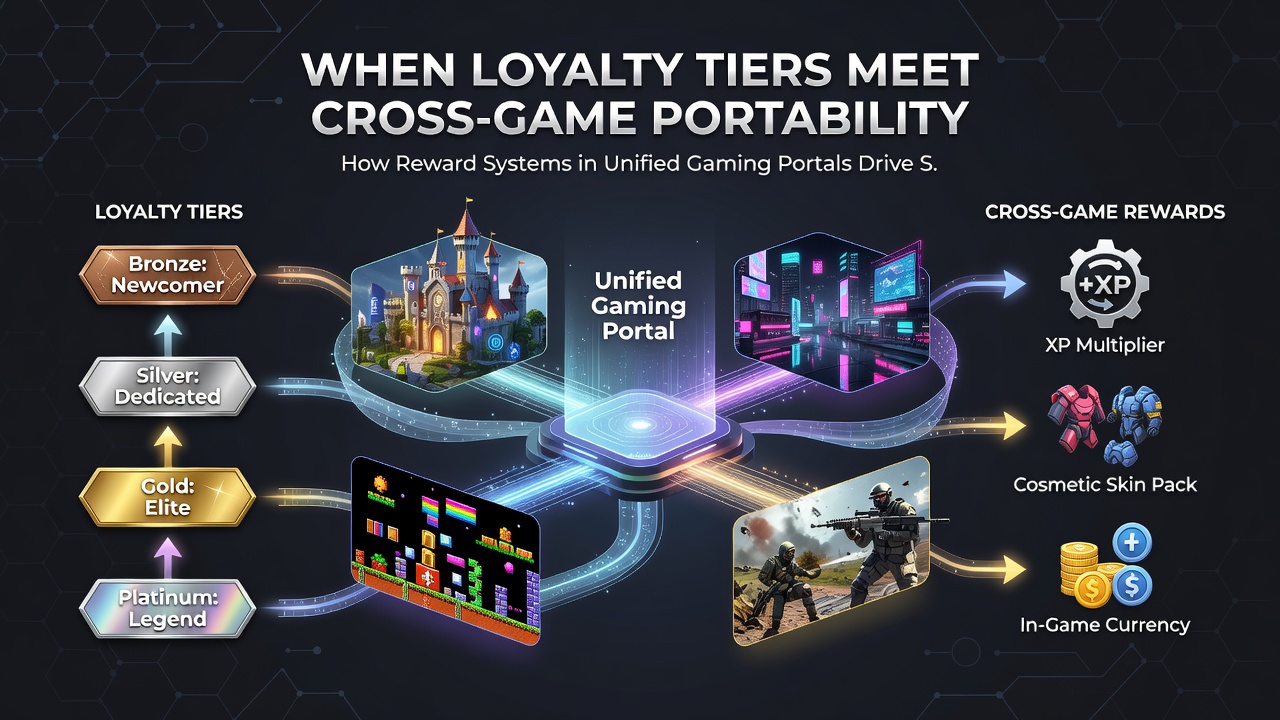
Tier structures typically start at entry levels where basic rewards such as bonus spins or cashback percentages activate after modest play thresholds, while higher tiers unlock accelerated point multipliers and exclusive events that remain valid across connected providers. Researchers at academic institutions have documented that portability removes the friction of starting over when switching games, which leads participants to extend sessions rather than end them after a single provider's catalog is exhausted. Figures from the New Jersey Division of Gaming Enforcement reveal that portals offering seamless tier carryover recorded a 14 percent rise in multi-provider activity during the first half of 2026 compared with non-portable systems.
Mechanisms Driving Session Pattern Shifts
Cross-game portability operates through centralized accounts that track progress in real time, so a player who reaches a mid-tier status in a live dealer environment can apply those benefits immediately to video slots hosted by a different studio. This continuity encourages longer, more varied play sequences because the incentive to chase the next reward level persists regardless of provider boundaries. Observers note that session starts often cluster around daily or weekly reset windows when new challenges become available, yet the ability to port rewards reduces the tendency to abandon one portal for another when a preferred game goes cold.
Data Patterns Across Providers in 2026
Analytics platforms monitoring aggregated play data indicate that users with portable tier status distribute their activity more evenly among providers rather than concentrating on a single favorite. In September 2026, one multi-jurisdictional operator reported that participants who activated cross-provider rewards completed an average of 3.2 distinct game types per session, up from 2.1 in the prior year when portability was limited. Studies conducted by the Australian Gambling Research Centre have tracked similar trends, finding that reward portability correlates with steadier engagement curves rather than sharp peaks followed by abrupt drop-offs. Those patterns emerge because the psychological pull of advancing a shared tier overrides the urge to switch portals entirely when results vary.
Provider Integration and Technical Considerations
Operators achieve portability by adopting shared application programming interfaces that sync loyalty ledgers across separate game servers, allowing point balances and tier status to update without manual intervention. This technical layer reduces downtime between games and supports the fluid movement that defines current session patterns. Evidence from regulatory filings shows that providers who adopted these interfaces earlier in 2026 experienced higher retention rates among tiered users, because the system removes barriers that previously prompted participants to log out and seek rewards elsewhere.
Regulatory Frameworks Influencing Portability Rollouts
Government agencies in multiple regions require clear disclosure of how rewards transfer and whether tier benefits expire when accounts remain inactive. The Alcohol and Gaming Commission of Ontario has issued guidelines that mandate transparency around portability mechanics, which has prompted operators to standardize their systems ahead of broader market expansions. Similar requirements appear in documentation from teh New Zealand Department of Internal Affairs, where emphasis is placed on preventing unintended accumulation that could extend sessions beyond intended limits. These rules shape how quickly new portability features reach the market and influence the specific session behaviors that emerge once they launch.
Conclusion
Unified portals continue to refine loyalty tiers that travel across providers, producing measurable changes in how sessions unfold across different game types and studios. Data gathered through 2026 demonstrates that portability sustains engagement by keeping reward progress intact, which alters distribution patterns and lengthens average play periods. As more operators adopt compatible systems, the connection between tier mechanics and cross-provider behavior will remain a central focus for both industry analysis and regulatory oversight.